Rodborough Glebe Allotments will be hosting a stall at the Rodborough Fete this Sunday. If you have any gardening related stuff we can sell to raise money for the allotments, please bring it to our marquee on the day (ideally by 12!)
many thanks

Information about Rodborough Glebe Allotments in Stroud, Gloucestershire
Rodborough Glebe Allotments will be hosting a stall at the Rodborough Fete this Sunday. If you have any gardening related stuff we can sell to raise money for the allotments, please bring it to our marquee on the day (ideally by 12!)
many thanks
In conjunction with Remembering Rodborough we have been working to uncover the history of our site. In May 2024 we shared the results of our research to date with visitors to our site and the Community Hall. Amongst other things we have traced the ownership of our site (freehold) back to 1066. We have also traced the use of our site for allotments back to at least 1903.
We also know that an organising committee was active in conjunction with other allotment sites in Stroud during World War Two and we have identified some key local people who kept our site going through the 1970’s and 1980’s.
About 100 people attended our event and many of them have filled in questionnaires which we hope will add to our research about the social history of our site.
It seems that we may have missed the 120th anniversary of our allotment site but we look forward to finding out more about the history of Rodborough Glebe Allotments.
There is nothing more disheartening than seeing your excellent crop of broad beans swamped by blackfly. You can reduce the risk by growing your beans to harvest earlier in the season. Some people have success with overwintering their beans. Bob’s idea was to give the beans a “head start” in the Spring by germinating the beans in his airing cupboard then planting them out (carefully) in drills at about this time of year. Bob would put the beans in a plastic bag with some moist compost and they germinate in about 4 days. I use trays because the germinated seeds are very delicate and I find I can untangle roots without damaging them much better if they are organised in rows at a spacing of about 1cm in the tray. Typically this method will give you a two week headstart from planting to cropping. Good Luck!
Happy New Year to all our members. Here’s a picture of dawn over our allotments!
Its a bit wet to be digging this week but there’s plenty to do including sewing your sweet peas for next Summer.
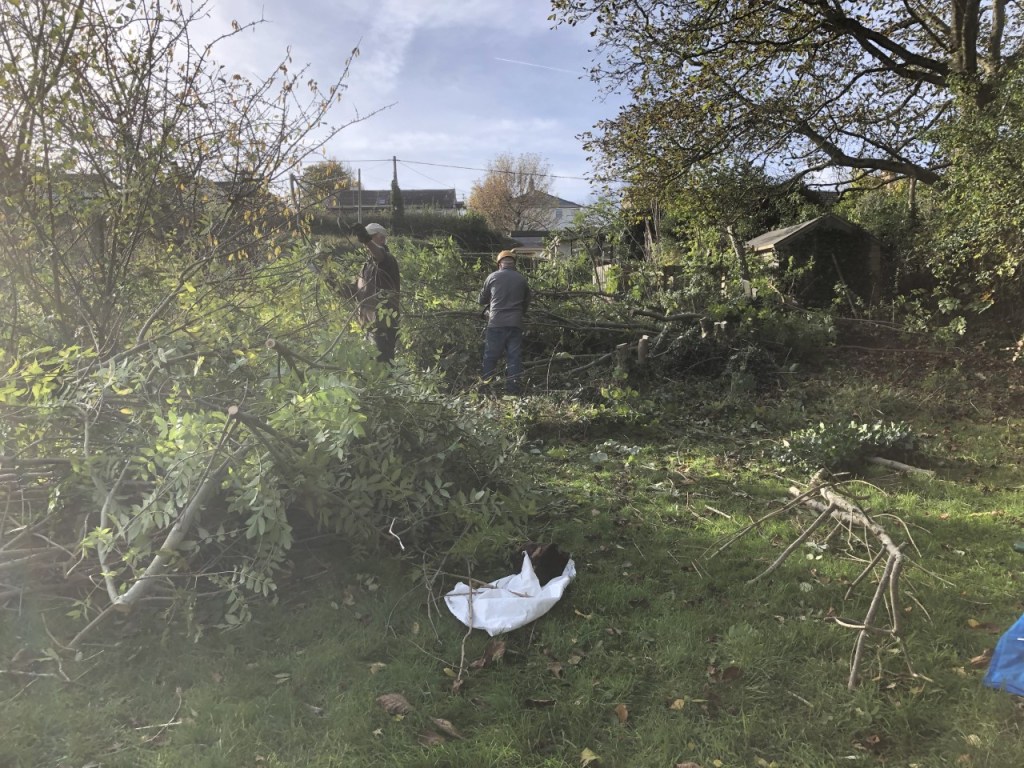
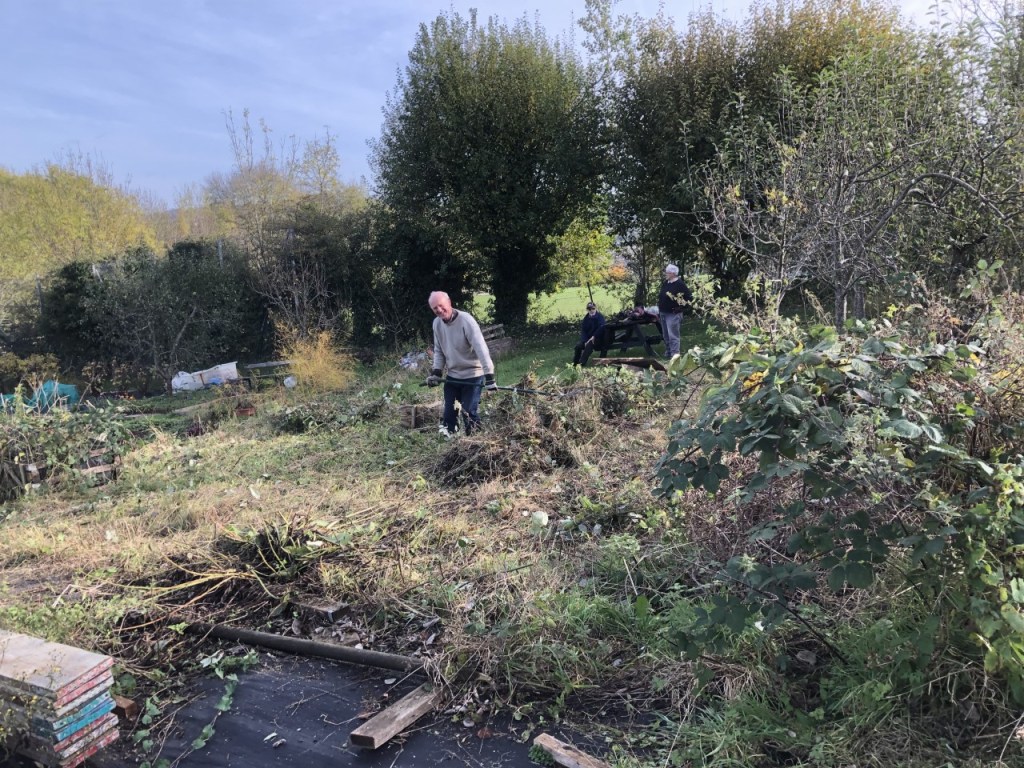
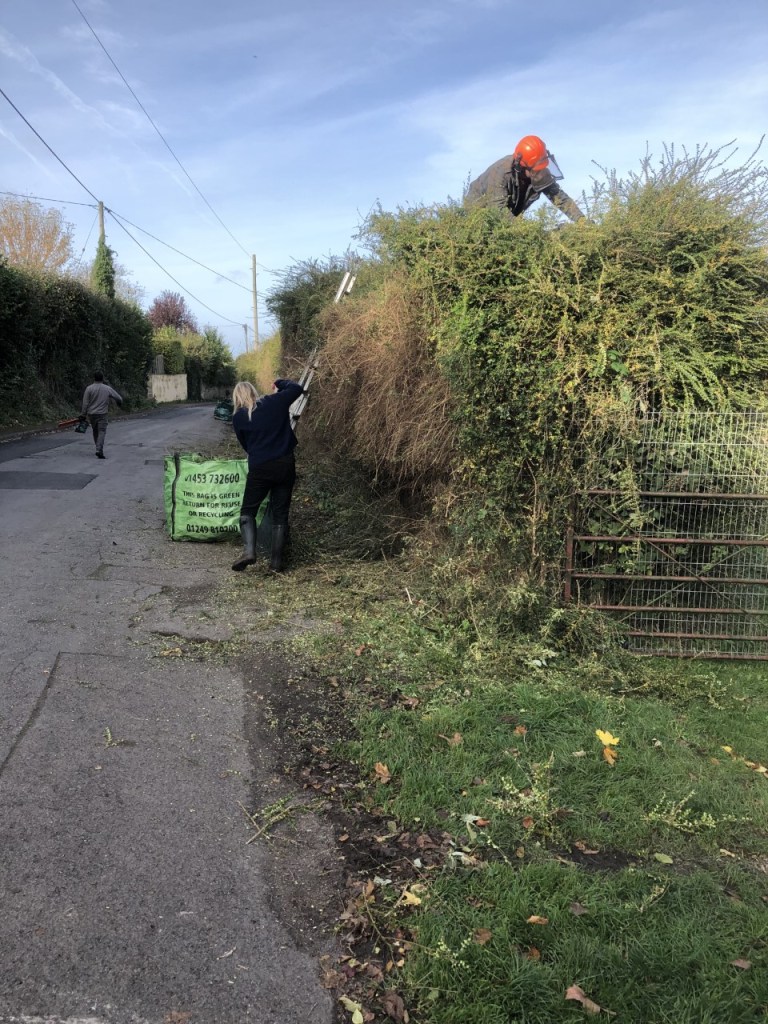
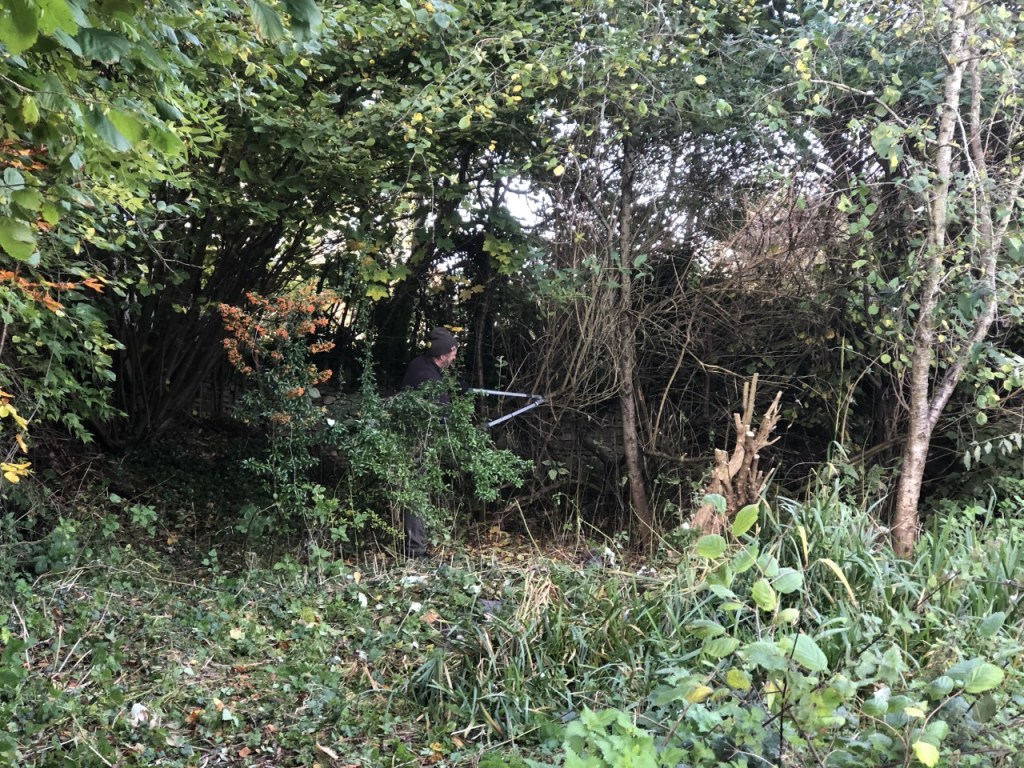
Hope to see you at our working party next Sunday!

This is an example post, originally published as part of Blogging University. Enroll in one of our ten programs, and start your blog right.
You’re going to publish a post today. Don’t worry about how your blog looks. Don’t worry if you haven’t given it a name yet, or you’re feeling overwhelmed. Just click the “New Post” button, and tell us why you’re here.
Why do this?
The post can be short or long, a personal intro to your life or a bloggy mission statement, a manifesto for the future or a simple outline of your the types of things you hope to publish.
To help you get started, here are a few questions:
You’re not locked into any of this; one of the wonderful things about blogs is how they constantly evolve as we learn, grow, and interact with one another — but it’s good to know where and why you started, and articulating your goals may just give you a few other post ideas.
Can’t think how to get started? Just write the first thing that pops into your head. Anne Lamott, author of a book on writing we love, says that you need to give yourself permission to write a “crappy first draft”. Anne makes a great point — just start writing, and worry about editing it later.
When you’re ready to publish, give your post three to five tags that describe your blog’s focus — writing, photography, fiction, parenting, food, cars, movies, sports, whatever. These tags will help others who care about your topics find you in the Reader. Make sure one of the tags is “zerotohero,” so other new bloggers can find you, too.
 RODBOROUGH GLEBE ALLOTMENTS